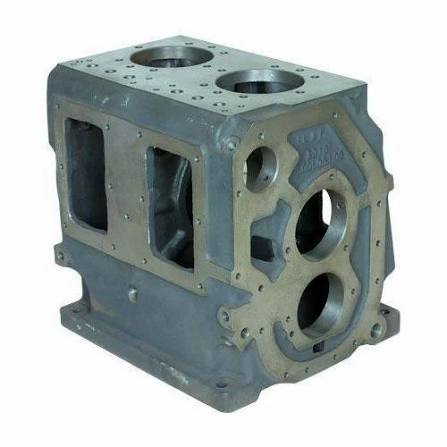
Iron casting is widely used in industrial manufacturing because it allows manufacturers to produce components in different shapes, sizes, and levels of complexity. From automotive parts and machinery housings to agricultural equipment and construction components, cast iron products serve many applications. However, the casting process involves several variables, including molten metal temperature, mold condition, material composition, and cooling rate. If these factors are not properly controlled, defects can develop in the finished components.
Understanding common iron casting defects is essential for improving product quality, reducing material waste, and maintaining reliable production. An experienced Iron Castings Manufacturer uses suitable materials, controlled manufacturing procedures, and inspection methods to identify potential problems and prevent them. Learning how these defects occur also helps engineers and buyers evaluate casting quality more effectively.
1. What Are Iron Casting Defects?
Iron casting defects are unwanted imperfections that develop during mold preparation, molten metal handling, pouring, solidification, or cooling. They may appear on the casting surface or remain hidden inside the component.
Some defects affect only the appearance of a product, while others can reduce its strength, dimensional accuracy, pressure resistance, or service life.
Casting defects can generally be classified into several categories:
- Gas-related defects caused by trapped gases.
- Shrinkage defects caused by insufficient metal feeding.
- Surface defects associated with mold materials and metal flow.
- Structural defects caused by cooling and solidification conditions.
- Dimensional defects resulting from inaccurate patterns or mold movement.
Identifying the type and cause of a defect is the first step toward selecting an effective prevention method.
2. Porosity: Causes and Prevention
<AsyncImage query=”iron casting gas porosity small holes defect close up metal surface” aspectRatio=”16:9″ width=”100%”/>
Porosity is one of the common defects found in iron castings. It appears as small holes or cavities within the metal or on its surface. These spaces may develop when gases become trapped in molten iron or when gas cannot escape from the mold during pouring.
Porosity can reduce the effective cross-sectional area of a component and may cause leakage in parts designed to contain liquids or gases.
Common causes include:
- Excessive moisture in molding materials.
- Poor mold permeability.
- Inadequate mold ventilation.
- Turbulent pouring that introduces air.
- Gas-producing impurities or materials.
Prevention methods:
Manufacturers can reduce porosity by controlling moisture levels, selecting suitable molding materials, and providing adequate ventilation. Proper molten metal handling and a well-designed gating system also help minimize air entrapment.
3. Shrinkage Cavities and Shrinkage Porosity
<AsyncImage query=”cast iron shrinkage cavity internal casting defect metallurgical cutaway” aspectRatio=”16:9″ width=”100%”/>
Shrinkage occurs because molten iron contracts as it cools and changes from a liquid to a solid. If the casting does not receive enough additional molten metal during solidification, cavities or smaller irregular voids may form.
Shrinkage cavities are often found in thicker sections or areas that solidify later than surrounding regions.
Common causes include:
- Poor riser positioning.
- Insufficient riser volume.
- Uneven cooling throughout the casting.
- Inadequate feeding channels.
- Incorrect casting geometry.
Prevention methods:
Proper riser design is essential for supplying molten metal to areas that need additional feeding. Engineers should also evaluate wall thickness, solidification patterns, and casting geometry. Simulation tools can help identify potential shrinkage zones before production begins.
4. Cold Shuts and Misruns
Cold shuts and misruns are defects related to incomplete mold filling or poor fusion between metal streams.
A cold shut develops when two streams of molten metal meet but fail to fuse properly. A misrun occurs when molten iron does not completely fill the mold cavity, leaving part of the component unfinished.
Common causes include:
- Low pouring temperature.
- Slow or interrupted pouring.
- Poor gating system design.
- Thin casting sections.
- Inadequate metal fluidity.
Prevention methods:
Manufacturers should maintain suitable pouring temperatures and ensure that the gating system supports smooth metal flow. Pouring speed, mold design, and casting wall thickness should also be evaluated to reduce the risk of incomplete filling.
5. Sand Inclusions
<AsyncImage query=”sand inclusion defect in iron sand casting foundry metal surface” aspectRatio=”16:9″ width=”100%”/>
Sand inclusions occur when particles from the mold or core become trapped in the molten metal and remain embedded in the finished casting.
These inclusions can create rough surfaces, interfere with machining, and weaken certain areas of a component.
Common causes include:
- Weak or damaged mold surfaces.
- Improper sand preparation.
- Poor mold handling.
- Excessive turbulence during pouring.
- Inadequate mold coating or cleaning.
Prevention methods:
Using properly prepared molding sand and maintaining suitable mold strength can reduce sand-related defects. Mold cavities should be cleaned before pouring, while gating arrangements should minimize turbulence and erosion.
6. Hot Tears and Hot Cracks
Hot tears are cracks that develop while the casting is solidifying and still has limited ability to withstand contraction stresses. They often appear in areas where the component’s geometry restricts natural shrinkage.
These defects may occur around sharp corners, uneven sections, or areas with significant differences in cooling rates.
Common causes include:
- Uneven wall thickness.
- Restricted casting contraction.
- Poor mold collapsibility.
- High thermal stresses.
- Unsuitable component geometry.
Prevention methods:
Designers can reduce hot tearing by avoiding unnecessary sharp transitions and sudden changes in wall thickness. Suitable mold materials and improved cooling conditions also help the casting contract more evenly during solidification.
7. Cold Shots and Metal Splash Defects
Cold shots are small, rounded metal particles that become trapped in the casting without properly bonding to the surrounding material. They may form when molten metal splashes or separates into droplets during pouring.
These defects can affect the surface and, in some cases, the internal integrity of a component.
Common causes include:
- Excessive pouring turbulence.
- Poorly designed gating systems.
- Uncontrolled metal flow.
- Incorrect pouring techniques.
Prevention methods:
A properly designed pouring basin, sprue, runner, and ingate can help control metal movement. Consistent pouring procedures and reduced turbulence also lower the likelihood of cold shots.
8. Metal Penetration and Rough Surface Defects
Metal penetration occurs when molten iron enters the spaces between sand grains in the mold. After solidification, the casting may have a rough surface that requires additional cleaning or machining.
The severity of the defect depends on the molding material, metal temperature, and mold surface condition.
Common causes include:
- Coarse or unsuitable molding sand.
- Insufficient mold hardness.
- Excessive pouring temperature.
- High metallostatic pressure.
- Inadequate mold coatings.
Prevention methods:
Manufacturers can select suitable sand grain sizes, improve mold compaction, and apply appropriate refractory coatings. Controlling pouring temperature and pressure also helps prevent molten metal from penetrating the mold surface.
9. Mismatch and Core Shift
<AsyncImage query=”iron sand casting mold mismatch parting line offset defect” aspectRatio=”16:9″ width=”100%”/>
Mismatch occurs when the two halves of a mold do not align correctly. This can create an unwanted step or offset along the casting’s parting line.
Core shift happens when a core moves from its intended position during mold assembly or pouring. It can result in uneven wall thickness or incorrectly positioned internal passages.
Common causes include:
- Poor mold alignment.
- Worn locating features.
- Incorrect mold assembly.
- Weak core supports.
- Movement caused by molten metal pressure.
Prevention methods:
Accurate pattern design, reliable locating pins, and proper mold clamping help prevent mismatch. Cores should be inspected before installation and secured using suitable supports to maintain their position during pouring.
10. Warping and Dimensional Distortion
Warping occurs when a casting changes shape during cooling. It is particularly likely when different sections of a component cool and contract at different rates.
Dimensional distortion can make it difficult to assemble or machine the finished product according to its engineering specifications.
Common causes include:
- Uneven wall thickness.
- Nonuniform cooling.
- Residual thermal stresses.
- Poor mold support.
- Inappropriate casting geometry.
Prevention methods:
Engineers should design components with balanced wall thicknesses and consider cooling behavior during mold development. Controlled cooling, suitable mold support, and accurate dimensional inspections can help reduce distortion.
11. Slag and Oxide Inclusions
Slag and oxide inclusions are non-metallic materials trapped inside the casting. They can interrupt the metal structure and create weak areas that affect mechanical performance.
These inclusions may enter the mold with the molten metal or develop through oxidation during melting and pouring.
Common causes include:
- Inadequate molten metal cleaning.
- Oxidation during handling.
- Turbulent pouring.
- Poor slag separation.
- Improper furnace practices.
Prevention methods:
Molten iron should be properly prepared and cleaned before pouring. Suitable skimming procedures and gating arrangements can help prevent slag and oxide particles from entering the mold cavity.
12. Hard Spots and Unwanted Hardness Variations
Hard spots are localized areas of a casting that have higher hardness than the surrounding material. They can create machining difficulties and cause uneven tool wear.
In some cast iron components, hard spots may develop because of variations in chemical composition, cooling rate, or microstructure.
Common causes include:
- Uneven cooling conditions.
- Incorrect chemical composition.
- Inadequate control of inoculation.
- Localized chilling effects.
- Inconsistent melting practices.
Prevention methods:
Manufacturers should maintain consistent chemical composition and control the cooling conditions throughout the casting. Appropriate inoculation and metallurgical testing help achieve more uniform material properties.
13. The Importance of Material and Process Control
Preventing casting defects requires control over the entire manufacturing process rather than focusing on a single production stage.
The chemical composition of molten iron influences fluidity, solidification, and the final mechanical properties of the casting. Temperature control is equally important because pouring conditions affect mold filling and cooling behavior.
Foundries should establish clear procedures for:
- Raw material selection and inspection.
- Furnace operation and temperature monitoring.
- Chemical composition testing.
- Mold and core preparation.
- Pouring temperature and timing.
- Cooling and shakeout procedures.
- Final cleaning and inspection.
Consistent process control makes it easier to identify variations and prevent recurring defects.
14. Quality Inspection Methods for Detecting Casting Defects
Some casting defects are visible on the surface, while others remain hidden inside the component. For this reason, manufacturers use different inspection methods depending on product requirements and the type of defect being investigated.
Visual inspection: Helps identify surface cracks, rough areas, incomplete filling, and other visible imperfections.
Dimensional inspection: Uses measuring instruments and gauges to verify that the casting matches the required dimensions.
Hardness testing: Evaluates whether the material has the expected hardness and identifies unusual variations.
Ultrasonic testing: Uses sound waves to detect certain internal discontinuities.
Radiographic testing: Uses X-rays or gamma rays to examine internal features and identify some types of porosity or inclusions.
Magnetic particle testing: Can reveal surface and near-surface discontinuities in suitable ferromagnetic materials.
The inspection method should be selected according to the component’s design, material, service conditions, and applicable quality standards.
15. How Modern Technology Helps Prevent Casting Defects
Modern foundries increasingly use digital engineering and process monitoring to improve casting consistency. Computer-aided design allows engineers to evaluate component geometry, while casting simulation helps predict how molten iron will flow and solidify.
These technologies can identify potential problem areas before production begins.
Additional improvements may include automated temperature monitoring, digital process records, and statistical quality control. Such methods help production teams recognize process variations and make timely adjustments.
Although technology cannot eliminate every casting defect, it provides valuable information for improving manufacturing decisions and reducing avoidable production problems.
Conclusion
Iron casting defects can develop from several factors, including poor mold preparation, uncontrolled metal flow, inadequate feeding, uneven cooling, and inconsistent material composition. Common problems such as porosity, shrinkage cavities, cold shuts, sand inclusions, hot tears, and dimensional distortion can affect both the appearance and performance of finished components.
Preventing these defects requires a systematic approach that combines proper mold design, controlled melting and pouring, suitable material selection, and effective inspection. By understanding the causes of casting defects and applying appropriate prevention methods, manufacturers can improve product reliability, reduce waste, and achieve more consistent production quality.